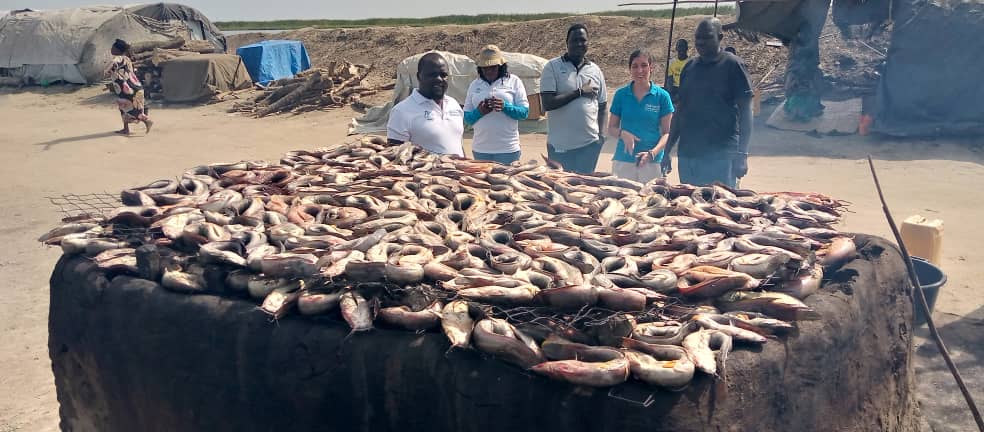
A fish preservation demonstration was conducted in Bor, South Sudan, to enhance post-harvest handling and reduce fish spoilage. Participants learned practical preservation techniques, including proper cleaning, drying, smoking, and hygienic storage practices, helping to improve food security, increase the shelf life of fish, and create better income-generating opportunities for fishing communities.
Blog
-
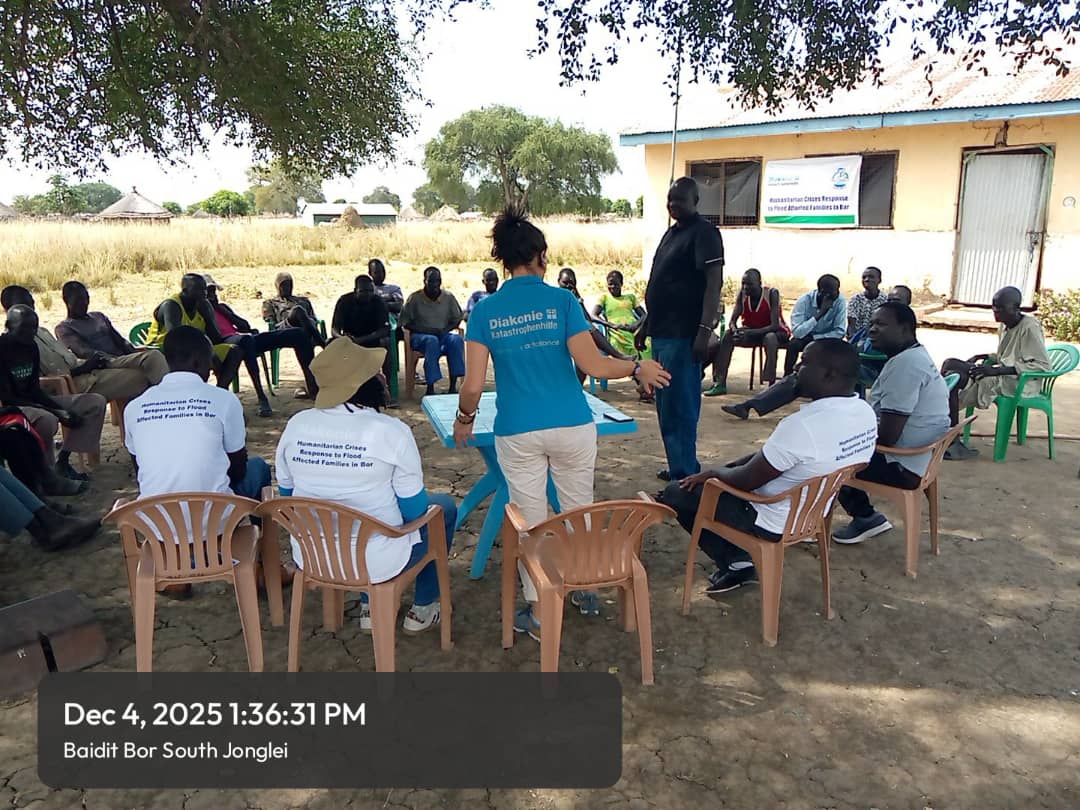
Donor and community leaders engagement meeting Bor South Sudan
A donor and community leaders’ engagement meeting was held in Bor, South Sudan, to strengthen collaboration, share project progress, and discuss community priorities. The meeting provided a platform for open dialogue, enabling donors and local leaders to exchange perspectives, address key challenges, and reinforce their commitment to supporting sustainable, community-led development initiatives.
-
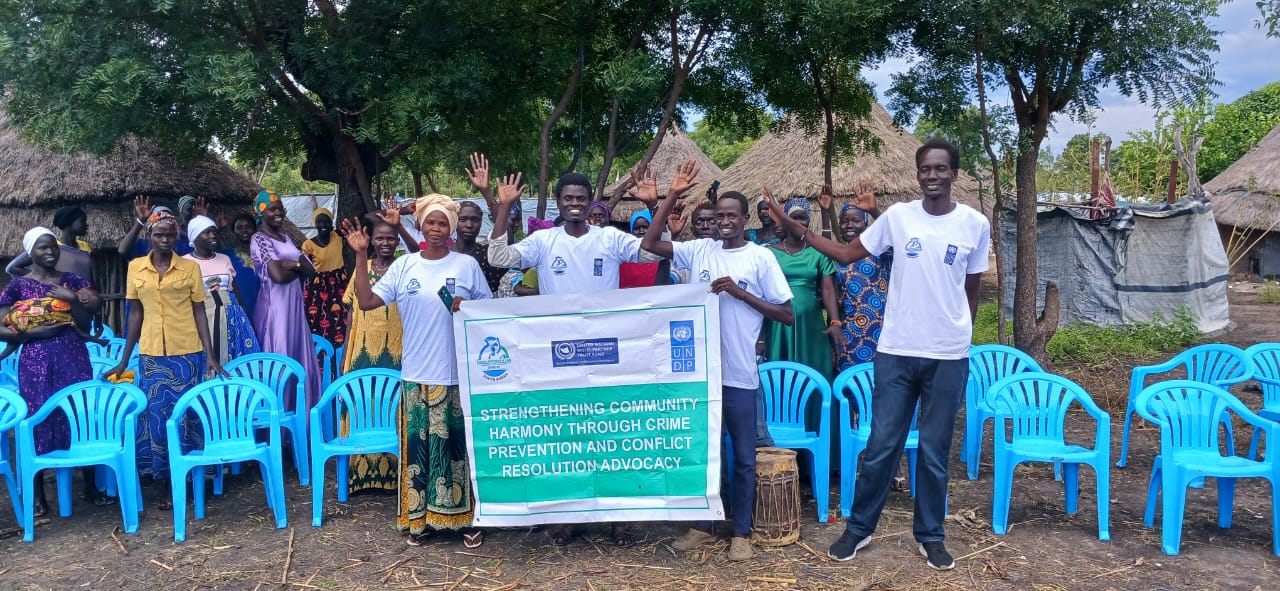
Community policing advocacy in Akobo
Community policing advocacy was conducted in Akobo to strengthen collaboration between community members and security actors in promoting safety and security. The session emphasized the importance of trust, information sharing, and joint problem-solving to prevent crime, resolve conflicts peacefully, and enhance community participation in maintaining a secure and peaceful environment.
-
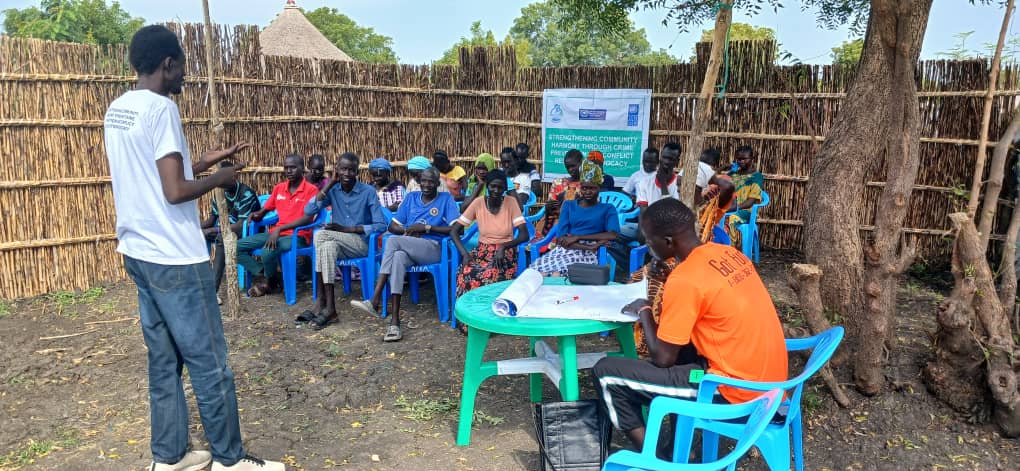
Inter-communal dialogue on Peaceful Coexistence in Akobo County, South Sudan
An inter-communal dialogue on peaceful coexistence was conducted in Akobo County, South Sudan, bringing together community leaders, youth, women, and other key stakeholders to discuss shared challenges and strengthen social cohesion. The dialogue promoted mutual understanding, trust, and collaboration among communities while encouraging peaceful conflict resolution and collective efforts to foster lasting peace and stability.
-
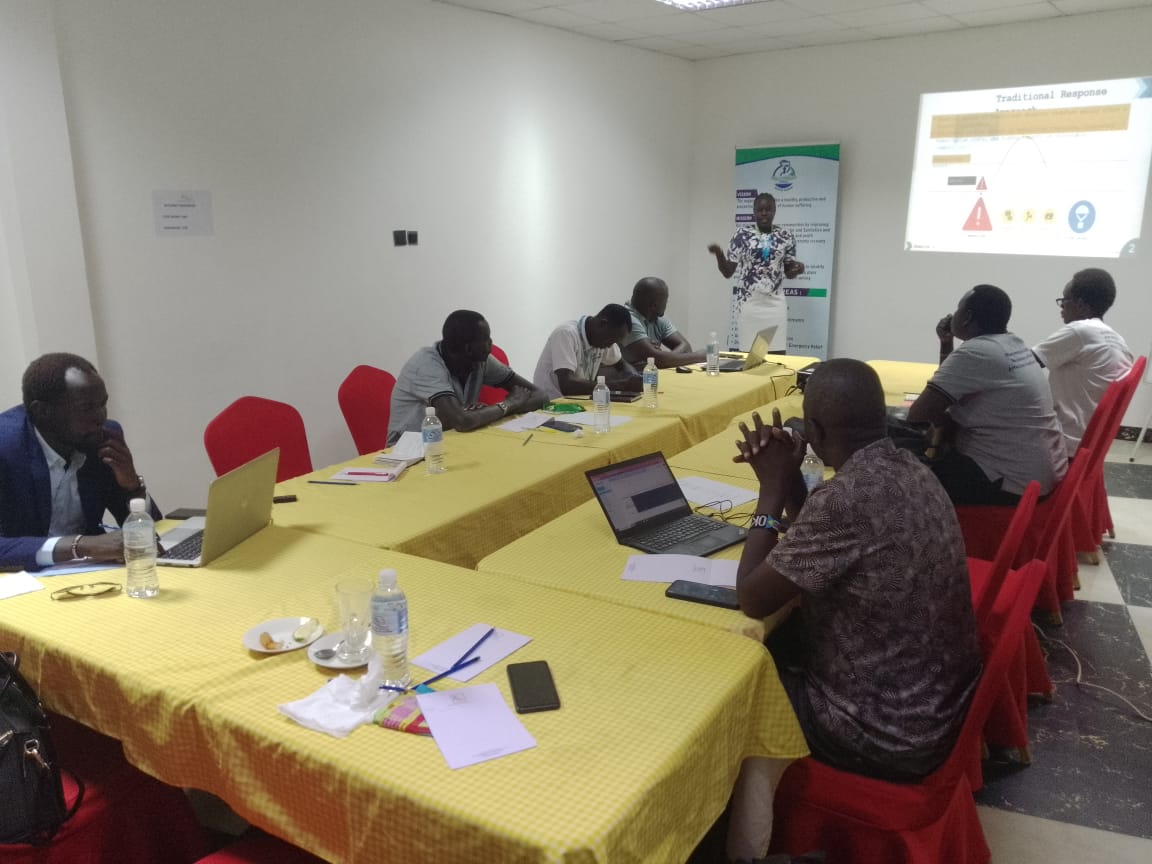
Gender and Protection Officer, Sarah Alek during AAP staff orientation
Gender and Protection Officer, Sarah Alek, during the AAP staff orientation, guided participants through key gender, protection, and safeguarding principles to ensure inclusive and accountable programming. She emphasized the importance of preventing exploitation and abuse, promoting dignity and respect for all community members, and ensuring that staff understand and uphold Accountability to Affected Populations (AAP) in all aspects of their work.
-
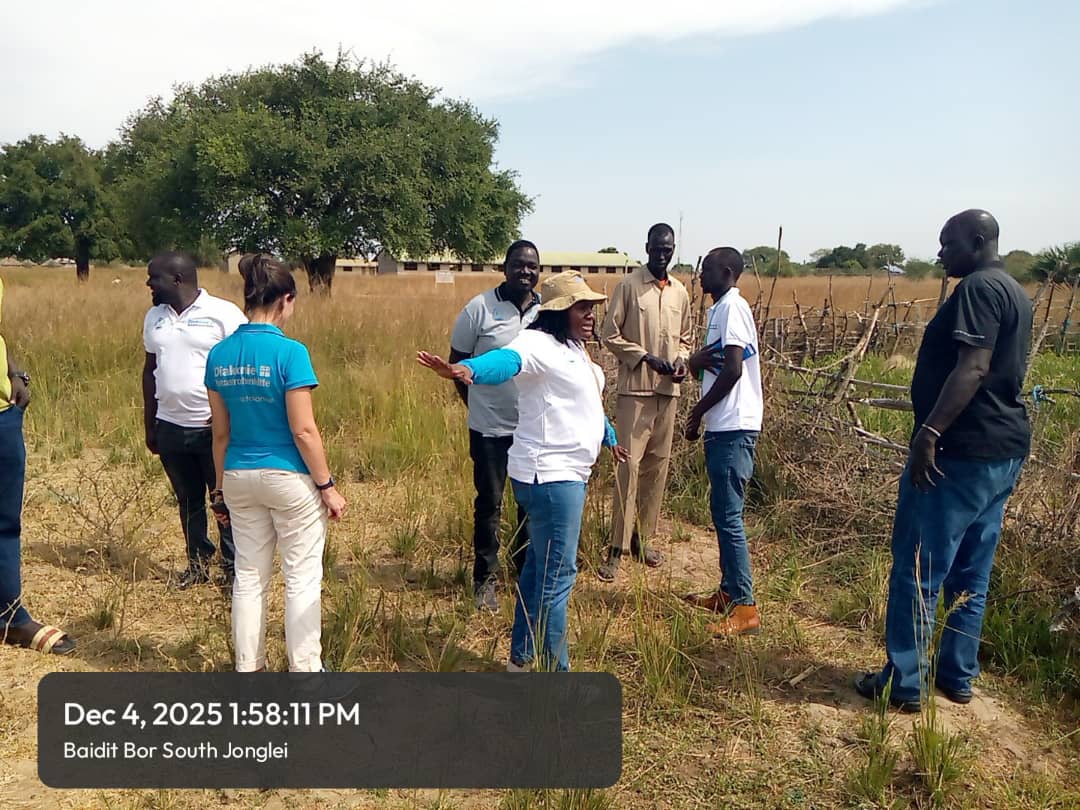
Flood Relief Reaches Families in Bor
Following severe seasonal flooding, ROCE launched a humanitarian response for affected families in Bor. Relief items were distributed to households struggling to recover from submerged homes and lost belongings.
The intervention focused on immediate needs while laying groundwork for longer-term recovery across Jonglei State.
-
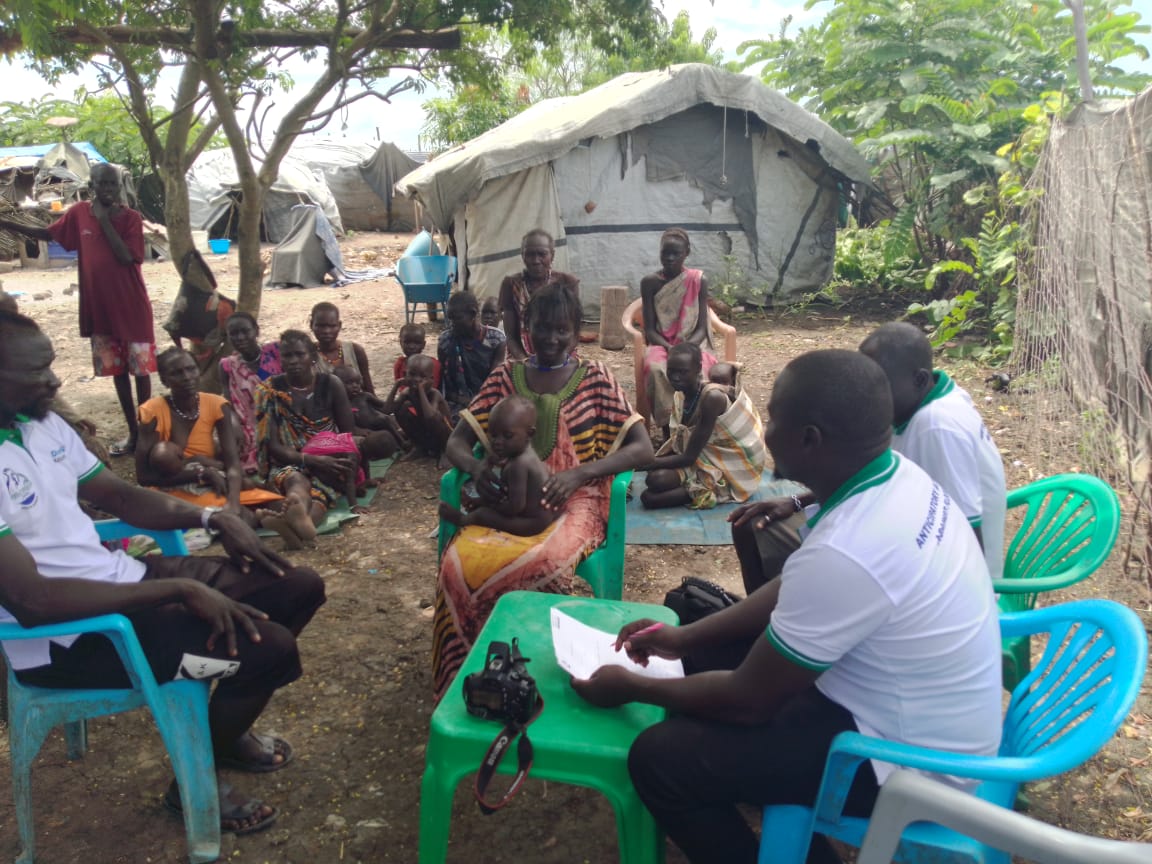
Cash Transfer Registration for Vulnerable Families in Pibor
ROCE registered vulnerable households in Pibor for unconditional cash transfer support. The registration exercise ensured that flood-affected and at-risk families were accurately documented before distributions began.
Community leaders assisted in verifying beneficiary lists to maintain transparency and fairness.
-
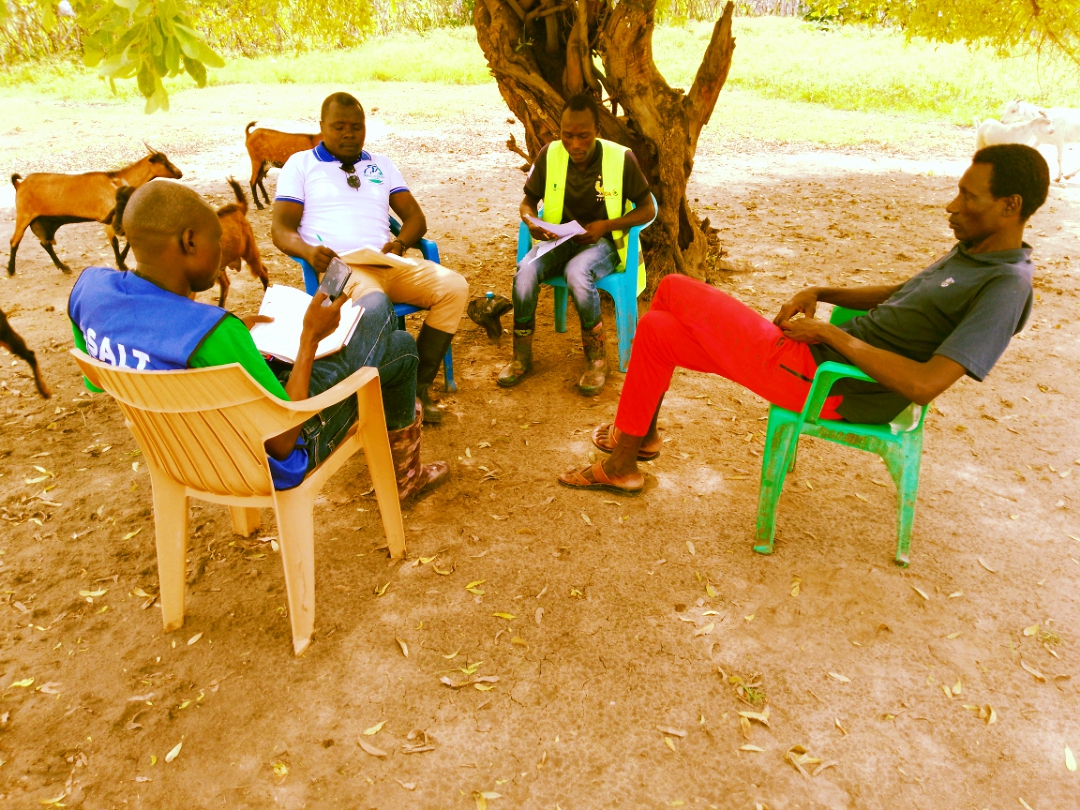
FAO Food Security Assessment in Akilo Payam
ROCE participated in a community food security assessment in Akilo Payam under the UN-FAO FSL programme. The assessment gathered data on crop production, market access, and household vulnerability.
Findings will guide future seed security, livelihoods, and emergency preparedness interventions in GPAA.
-
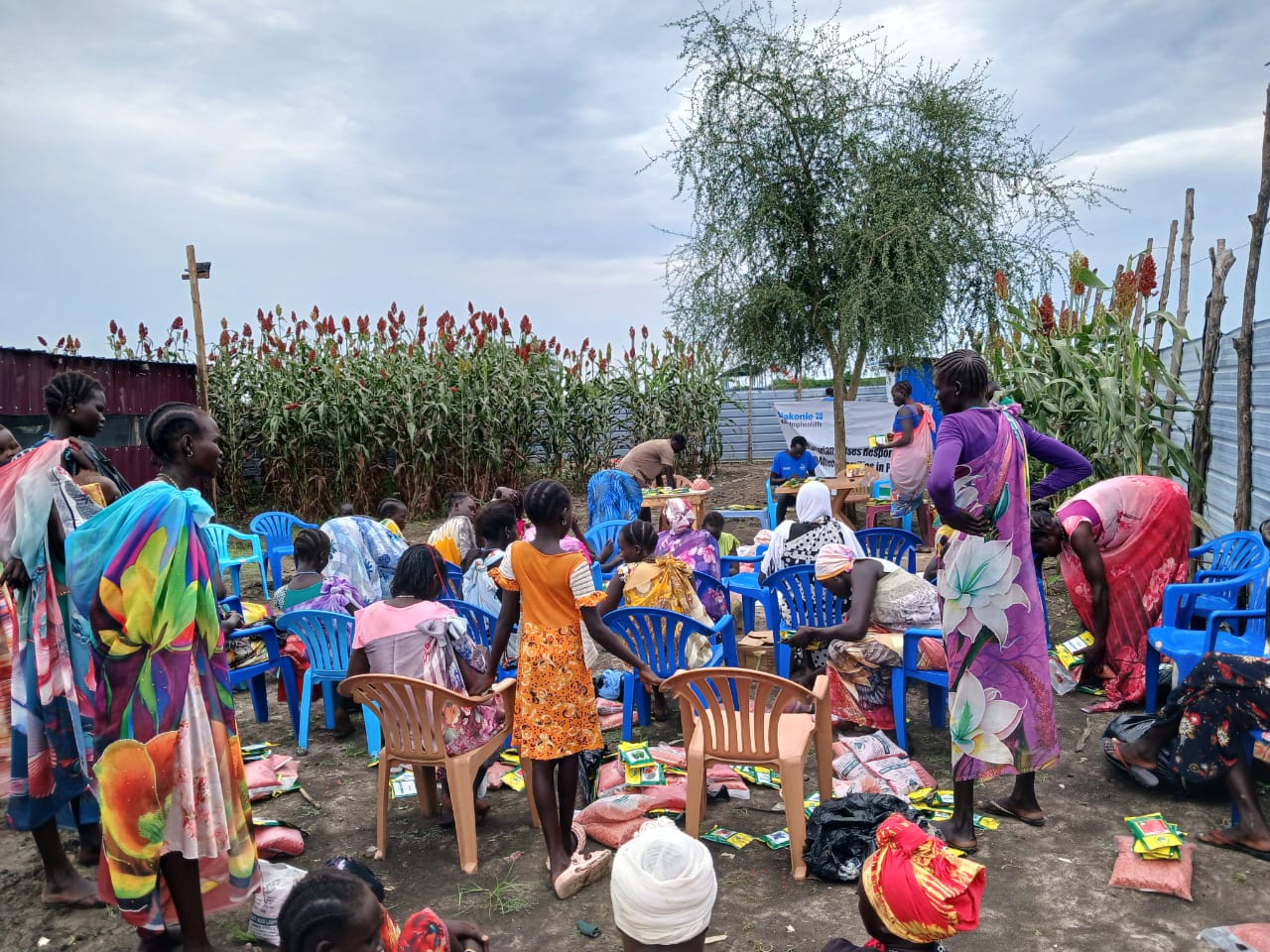
Assorted Seeds Distributed in Pibor
ROCE distributed assorted climate-resilient seeds to farming households in Pibor County. Maize, sorghum, and vegetable seeds were provided to help families rebuild food production after recent disruptions.
Recipients were drawn from cooperatives and flood-affected communities prioritised during vulnerability assessments.
-
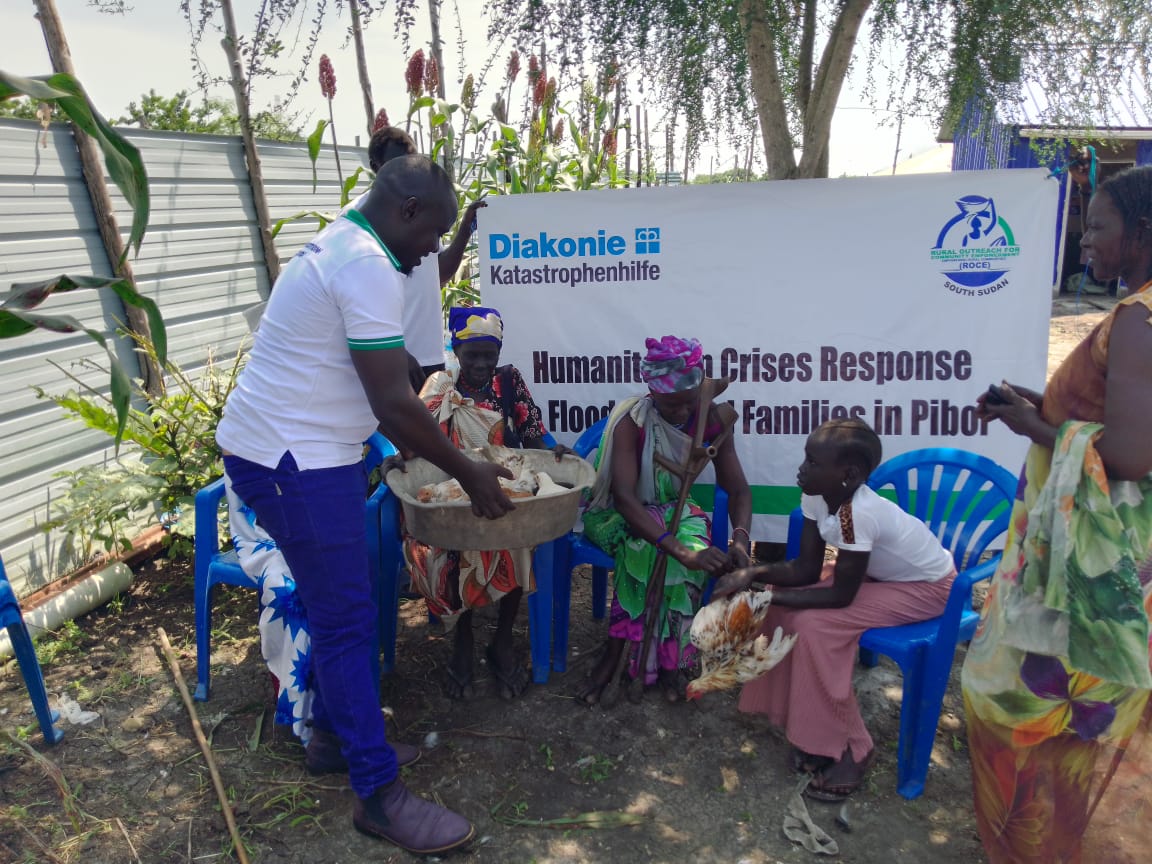
Poultry Distribution Empowers Women in Pibor
ROCE carried out a poultry distribution exercise in Pibor Town, targeting women-led households. Recipients received birds and basic training to start small-scale poultry farming as a sustainable income source.
The programme supports nutrition, household income, and women’s economic empowerment in rural communities.